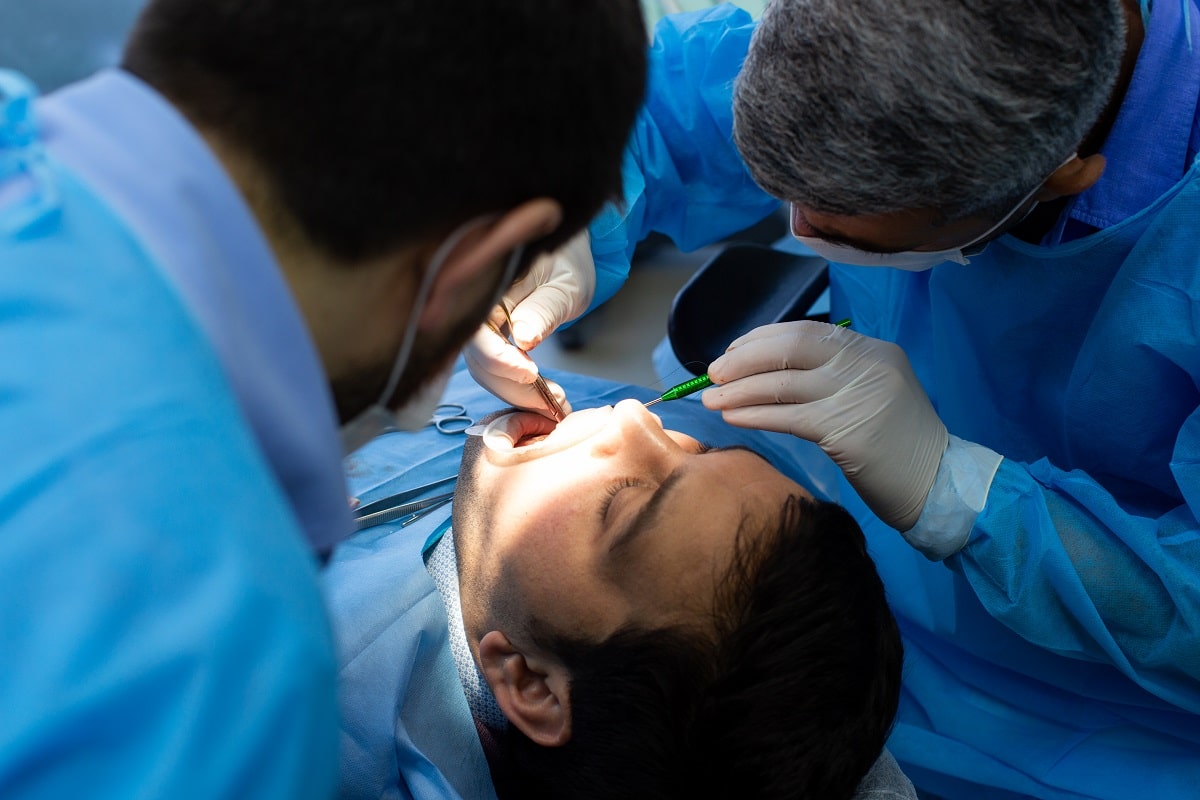
In the realm of dental care, where every smile is a testament to one’s health and well-being, dental crowns stand as formidable protectors. These tiny, yet mighty, dental restorations play a crucial role in not only preserving oral health but also in enhancing the aesthetic appeal of smiles. In Australia, a country deeply committed to dental well-being, the significance of dental crowns reverberates through dental clinics from Sydney to Perth.
The Basics of Dental Crowns
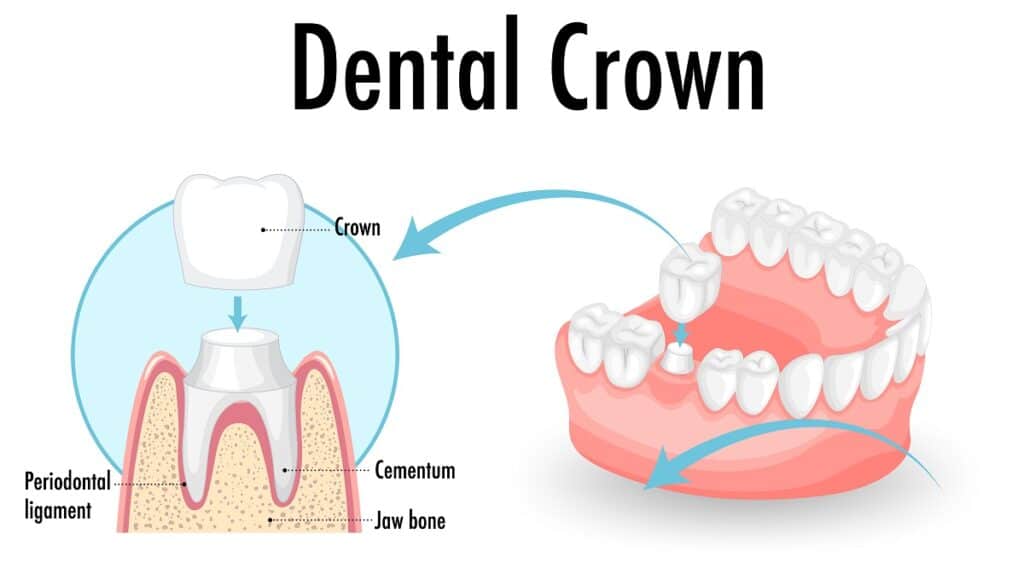
Dental crowns, often referred to as “caps,” are customised tooth-shaped prosthetics that encapsulate damaged or weakened teeth. Crafted from materials such as porcelain, ceramic, metal alloys, or a combination, these crowns provide structural support, restore functionality, and shield teeth from further damage.
The Guardian Role of Dental Crowns
Structural Support
Dental crowns act as pillars, reinforcing teeth that have been compromised due to decay, fractures, or extensive dental procedures. By encasing the weakened tooth, they prevent further deterioration, allowing individuals to bite and chew with confidence.
Restoration of Functionality
Functional teeth are essential for daily activities such as eating, speaking, and maintaining oral hygiene. Dental crowns restore the functionality of damaged teeth, ensuring that individuals can enjoy their favorite foods without discomfort or impediment.
Enhancing Aesthetics
Dental crowns: functional support and aesthetic harmony for confident, radiant smiles
How do dental crowns fit into the larger picture of dental health in Australia?
Emphasis on Dental Health
Australia places a high premium on dental health, recognising its integral role in overall well-being. Regular dental check-ups and treatments are not just encouraged but are often prioritised, reflecting a commitment to preventive and corrective oral care.
Accessibility and Quality
The country’s dental clinics are equipped with modern technologies and skilled professionals, ensuring the delivery of high-quality dental crown procedures.
Cultural Significance of Smiles
In a culture that values openness and friendliness, a healthy and confident smile holds cultural significance in Australia. Dental crowns, by preserving and enhancing smiles, align with these cultural values, promoting self-esteem and positive social interactions.
Crafting Your Smile: The Crucial Choice of Dental Crown Materials in Australia
In the quest for a healthy and radiant smile, Australians understand that the choice of dental crown material is far from arbitrary. As the nation places a paramount emphasis on oral health, individuals find themselves at the crossroads of decision when it comes to selecting the right material for dental crowns.
The Elegance of Ceramic Crowns
Let’s begin by exploring the charm of ceramic dental crowns.
Aesthetic Appeal
Ceramic crowns take the lead in mimicking the natural appearance of teeth. Their translucent properties and shade-matching capabilities make them an ideal choice for those who prioritise aesthetics.
Biocompatibility
One of the key advantages of ceramic crowns is their biocompatibility. These crowns are gentle on gum tissues, reducing the risk of irritation or allergic reactions.
Considerations
While ceramic crowns excel in aesthetics and biocompatibility, they may be more prone to chipping or cracking compared to other materials. However, advancements in material technology have significantly enhanced the durability of ceramic crowns, making them a reliable choice for many.
The Versatility of Porcelain-Fused-to-Metal (PFM) Crowns
Now, let’s explore the amalgamation of strength and aesthetics in PFM crowns.
Strength and Durability
Porcelain-fused-to-metal crowns strike a balance between strength and aesthetics. The metal substructure provides robust support, making them a suitable choice for posterior teeth that endure higher biting forces.
Considerations
Despite their strength, PFM crowns may pose a cosmetic challenge over time. As the metal substructure may become visible near the gum line due to gum recession, regular monitoring, and maintenance are essential to preserving their aesthetic appeal.
The Timeless Brilliance of Gold Crowns
Exceptional Durability
Gold crowns stand out for their unparalleled durability. They are resistant to wear and corrosion, making them an excellent choice for posterior teeth that endure substantial pressure during chewing.
Conservative Tooth Preparation
One of the distinctive advantages of gold crowns is their conservative tooth preparation. Minimal removal of tooth structure is required, preserving more natural tooth material compared to other crown materials.
Considerations
While gold crowns offer exceptional durability, their distinct color may not align with everyone’s aesthetic preferences. However, for those who prioritise longevity and functionality, the radiant durability of gold remains unmatched.
Capturing Nature’s Palette: The Radiance of Ceramic Dental Crowns in Australia
In the dynamic world of dental aesthetics, ceramic dental crowns have emerged as the frontrunners, seamlessly blending form, and function to deliver smiles that are not only healthy but also exquisitely natural. In Australia, where the pursuit of a radiant and genuine smile is deeply ingrained in the culture, ceramic dental crowns have found a special place.
The Artistry of Ceramic Dental Crowns
Understanding the distinctive features that make ceramic crowns stand out in the dental landscape.
Aesthetic Excellence
At the heart of ceramic dental crowns lies their unparalleled ability to mimic the natural appearance of teeth. The translucent properties of ceramic materials allow them to capture and reflect light in a manner like natural tooth enamel.
Shade Matching Mastery
One of the key strengths of ceramic dental crowns is their exceptional shade-matching capabilities. Dental professionals can meticulously match the color of the ceramic crown to the patient’s existing teeth, ensuring a harmonious blend that is virtually indistinguishable from the natural dentition.
The Biocompatibility Advantage
Examining the oral health benefits associated with the biocompatibility of ceramic dental crowns.
Gentle on Gums
Ceramic crowns are known for their biocompatibility, making them gentle on gum tissues. This is particularly beneficial for individuals with sensitive gums or those prone to allergies. The absence of metals in ceramic crowns reduces the risk of irritation, contributing to a comfortable and harmonious fit within the oral environment.
Minimising Sensitivity
Ceramic crowns exhibit excellent thermal insulation properties, helping to minimise sensitivity to hot and cold temperatures. This feature enhances the overall comfort of individuals with ceramic crowns, allowing them to enjoy their favorite foods and beverages without discomfort.
Advancements in Durability
Exploring how advancements in ceramic technology have addressed concerns related to durability.
Enhanced Strength
Historically, concerns about the durability of ceramic crowns have been raised. However, modern advancements in ceramic materials and manufacturing techniques have significantly improved their strength and resilience.
Considerations for Longevity
While ceramic crowns are durable, certain habits such as teeth grinding or biting on hard objects may pose a risk to their longevity. Dental professionals often advise individuals with ceramic crowns to avoid such habits and maintain good oral hygiene practices to ensure the longevity of their restorations.
The Pros of Ceramic Dental Crowns Illuminating Smiles in Australia
In the kaleidoscope of dental restoration options, ceramic dental crowns stand out as radiant gems, particularly in Australia where the pursuit of a naturally beautiful smile is deeply ingrained in the cultural fabric. This section explores the myriad advantages that ceramic dental crowns offer, focusing on their aesthetic allure, biocompatibility, and suitability for restoring the front teeth—a trifecta that has made them a favored choice across the continent.
Aesthetic Appeal: Natural Tooth-Like Appearance
Delving into the cultural significance of a natural-looking smile in Australia and how ceramic crowns meet this aesthetic preference.
The Cultural Tapestry of Australian Smiles
Australia’s cultural ethos places a premium on openness, friendliness, and a genuine connection with others. A natural-looking smile aligns seamlessly with these values, reflecting authenticity and warmth.
Mimicking Nature with Precision
Ceramic dental crowns, with their ability to replicate the natural appearance of teeth, play a pivotal role in preserving and enhancing this cultural preference.
Boosting Confidence and Social Interactions
The confidence that comes with a natural-looking smile extends beyond personal satisfaction. Australians, known for their sociable nature, understand the impact of a confident smile on social interactions.
Biocompatibility: Minimal Risk of Allergic Reactions
Highlighting the safety aspect of ceramic crowns and their compatibility with the diverse population of Australia.
Gentle on Gums for Enhanced Comfort
The biocompatibility of ceramic dental crowns is a crucial advantage, particularly in a country with a diverse population. The absence of metals in ceramic crowns makes them gentle on gum tissues, reducing the risk of irritation or allergic reactions.
Reducing Sensitivity for Overall Comfort
Ceramic crowns, with their excellent thermal insulation properties, contribute to minimising sensitivity to hot and cold temperatures.
Suitable for Front Teeth Restoration
Exploring the specific suitability of ceramic dental crowns for restoring the front teeth, aligning with cosmetic preferences.
Seamlessness in Aesthetic Integration
Front teeth, being prominently visible, demand a restoration that seamlessly integrates with the natural dentition. Ceramic dental crowns excel in this aspect, providing a restoration that is not only functionally sound but also aesthetically pleasing.
Elevating Cosmetic Excellence
Ceramic crowns, with their precise shade matching and natural translucency, contribute to cosmetic excellence in front teeth restorations, ensuring that smiles are not just restored but artistically enhanced.
Navigating Nuances: Considerations on the Cons of Ceramic Dental Crowns in Australia
While ceramic dental crowns have garnered acclaim for their aesthetic brilliance and biocompatibility, it’s essential to navigate the nuanced landscape and acknowledge potential drawbacks.
Prone to Chipping or Cracking
Addressing concerns related to the durability of ceramic crowns and potential issues like chipping or cracking.
Historical Concerns
Historically, one of the drawbacks associated with ceramic dental crowns has been their perceived susceptibility to chipping or cracking.
Advancements in Material Technology
It’s crucial to note that advancements in material technology have significantly mitigated these concerns. Modern ceramic crowns benefit from improved strength and resilience, making them less prone to chipping or cracking compared to earlier iterations.
Less Durable Compared to Other Materials
Providing insights into the lifespan of ceramic crowns and considerations for long-term durability.
Comparative Durability
While ceramic crowns offer commendable durability, they may be considered less durable when compared to certain alternative materials, such as porcelain-fused-to-metal (PFM) crowns or gold crowns.
Longevity Considerations
Maintaining good oral hygiene practices, avoiding habits that may compromise the crown’s integrity, and attending regular dental check-ups are essential for maximising the lifespan of ceramic crowns.
May Not Be Ideal for Individuals with Heavy Bite Forces
Discussing considerations for individuals with specific dental conditions, such as heavy bite forces.
Tailoring Solutions to Bite Dynamics
Ceramic crowns may not be the optimal choice for individuals with heavy bite forces or those who habitually grind their teeth.
Individualised Treatment Plans
Dental professionals in Australia emphasise the importance of individualised treatment plans. Factors like the patient’s bite dynamics, oral habits, and the location of the dental restoration play a crucial role in determining the most suitable material for crowns.
Gilded Smiles: Navigating Gold Dental Crowns in the Australian Landscape
Gold dental crowns, while less conventional for visible teeth in Australia, bear a distinctive allure and advantages that position them as a viable option in specific cases. The cultural, aesthetic, and functional considerations in the Australian context shape the role of gold crowns in the diverse realm of dental restorations.
Pros of Gold Dental Crowns in Australia
Illuminating the strengths that make gold crowns a unique choice.
Excellent Durability and Longevity
One of the standout features of gold crowns is their exceptional durability and longevity. Gold, known for its resilience, offers a robust solution for patients seeking enduring and reliable dental restorations. The longevity of gold crowns contributes to their appeal as long-term solutions.
Minimal Wear on Opposing Teeth
Gold crowns exhibit minimal wear on opposing teeth, preserving the integrity of adjacent dental structures. This characteristic is particularly advantageous for patients concerned about the impact of dental restorations on the overall dental structure, ensuring minimal disruption to neighboring teeth.
Biocompatible and Hypoallergenic
Gold’s biocompatibility and hypoallergenic properties make gold crowns a suitable option for individuals with metal sensitivities. This feature broadens the spectrum of patients who can consider gold crowns, ensuring compatibility with diverse oral health needs.
Cons of Gold Dental Crowns in Australia
Acknowledging considerations that balance the allure of gold crowns.
Aesthetic Concerns for Visible Teeth
One primary consideration with gold crowns is the potential aesthetic concern related to their visibility, especially when placed in prominent areas. The distinct appearance of gold may not align with certain cultural or individual aesthetic preferences.
Higher Cost Compared to Other Materials
Addressing the cost considerations associated with gold crowns is essential for transparent decision-making. Gold crowns typically come with a higher price tag compared to alternative materials, influencing the financial aspect of the decision-making process.
Limited Popularity Due to Aesthetic Preferences
The limited popularity of gold crowns for visible teeth in Australia is influenced by cultural and aesthetic factors. Understanding and exploring these preferences contributes to a comprehensive view of the considerations that impact the choice of gold crowns.
Crafting Smiles Down Under Navigating Dental Crown Choices in Australia
Factors Influencing the Choice of Material
Diving into the unique considerations that shape the choice of dental crown material in the Australian context.
Geographical Considerations
The vast geographical expanse of Australia introduces varied climatic conditions, which can impact dental health.
Cultural Influences on Aesthetics
Cultural influences play a pivotal role in the choice of dental crown materials, as individuals may gravitate towards materials that align with their cultural ideals of beauty and oral health.
Lifestyle Factors and Functionality
The active and outdoor lifestyle embraced by many Australians can influence the functionality requirements of dental crowns.
Discussion on Dentist-Patient Collaboration in the Decision-Making Process
Highlighting the synergy between dentists and patients in the decision-making journey.
Importance of Open Communication
Emphasising the need for open communication between dentists and patients is foundational to the decision-making process.
Tailoring Solutions to Individual Needs
By considering factors such as lifestyle, oral health history, and aesthetic preferences, dentists can provide personalised recommendations that align with the unique circumstances of each patient.
Informed Decision-Making
An informed decision-making process ensures that patients understand the implications of their choices and actively participate in selecting the most suitable material for their dental restorations.
Conclusion
In the symphony of crafting radiant smiles, the collaboration between dentists and patients guides a harmonious decision-making journey. Open communication is the foundational note, creating an environment where patients feel heard and engaged in their oral health choices. Dentists, as artisans, tailor solutions based on lifestyle, oral health history, and aesthetic preferences. Empowering patients with knowledge become the crescendo, transforming the decision-making process into a conscious choice reflecting individual aspirations. This collaborative dance between dentists and patients illuminates the path to vibrant smiles, celebrating diversity and the unique spirit of each journey. It transforms not just dental crowns but the entire oral health experience into a masterpiece, resonating with authenticity and individuality.